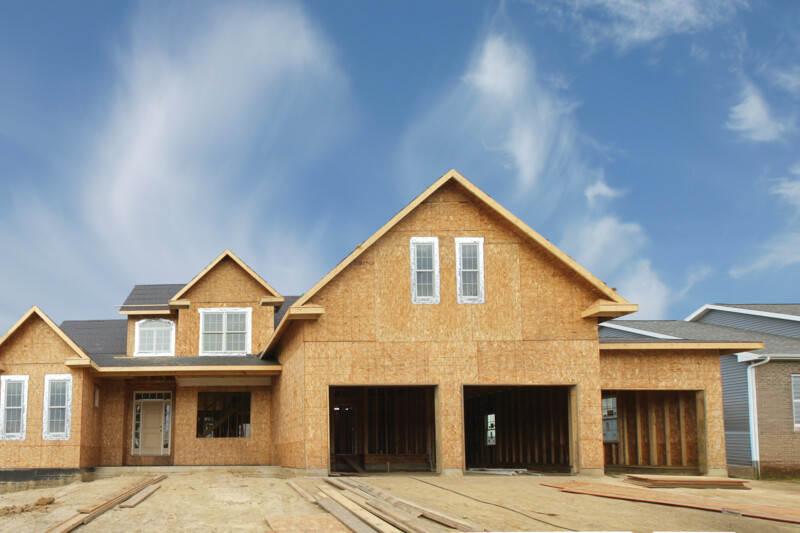
As energy codes grow more demanding and builders seek smarter, more efficient construction solutions, high energy-performance wall systems are becoming an essential tool in modern building design. These advanced assemblies – including double-stud walls, thick single-stud walls and passive house constructions – are engineered to reduce heat loss, minimize thermal bridging and improve overall building performance.
Wood structural panels and engineered wood framing are ideal for these systems, offering the flexibility to accommodate deeper wall cavities and increased insulation while maintaining the structural integrity required by code. Whether you’re pursuing above-minimum code compliance or working towards net-zero performance, engineered wood provides a practical, proven platform for building the high-performance envelope of the future.
High-performance wall systems offer a powerful pathway to improved building energy efficiency, but realizing their full potential requires careful attention to moisture management and structural detailing. APA is actively researching these assemblies to help builders and designers navigate best practices and meet evolving code requirements with confidence.
High energy-performance wall systems – such as double-stud walls, thick single-stud walls and assemblies used in passive house and above minimum code construction – are designed to significantly reduce heat loss and improve overall building efficiency. These assemblies typically incorporate increased insulation thickness, minimized thermal bridging and enhanced air sealing strategies.
Wood structural panels and engineered wood framing provide a flexible and practical platform for these assemblies, allowing for deeper wall cavities while maintaining structural performance.
As energy codes continue to evolve, these wall systems are increasingly being explored as compliance pathways. Balancing performance, durability and constructability is critical to successful implementation.
While high energy-performance wall systems can achieve very low U-values, they also introduce important considerations related to moisture management, constructability and cost. Proper detailing of vapor control layers and drying potential is critical, especially in colder climates where condensation risk is elevated.
APA is actively supporting the development and validation of high energy-performance wall systems through research, testing and technical guidance. Ongoing efforts include hygrothermal analysis to better understand moisture risks in thick wall assemblies and to identify best practices for vapor control and air barrier placement.
APA is also evaluating the structural implications of deeper framing systems, including fastening schedules, shear wall performance and material optimization using engineered wood products.
Through field monitoring and collaboration with builders and research partners, APA is working to document real-world performance of double-stud and high-R wall assemblies.
APA also provides design resources and recommendations that help ensure high energy-performance wall systems meet both energy and structural code requirements.
 Technical Guides - R505
This publication explains how to use a performance path to meet International Energy Conservation Code (IECC) requirements while balancing cost and structural requirements.
Technical Guides - R505
This publication explains how to use a performance path to meet International Energy Conservation Code (IECC) requirements while balancing cost and structural requirements.
 Technical Guides - J440
This publication provides five basic steps to construct energy-saving wood wall systems that meet code, are durable to the forces of nature and help homeowners save money.
Technical Guides - J440
This publication provides five basic steps to construct energy-saving wood wall systems that meet code, are durable to the forces of nature and help homeowners save money.
 Technical Guides - P320
Joint ICC and APA publication describes how energy performance is measured in exterior wall assemblies and how to improve wall thermal performance to meet energy code requirements
Technical Guides - P320
Joint ICC and APA publication describes how energy performance is measured in exterior wall assemblies and how to improve wall thermal performance to meet energy code requirements
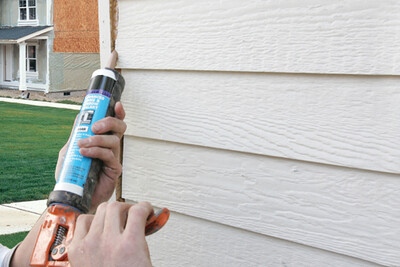 Build A Better Home - A525
This publication outlines the characteristics of mold and mildew, the effect they can have on a structure and its inhabitants, and provides methods for prohibiting their growth.
Build A Better Home - A525
This publication outlines the characteristics of mold and mildew, the effect they can have on a structure and its inhabitants, and provides methods for prohibiting their growth.
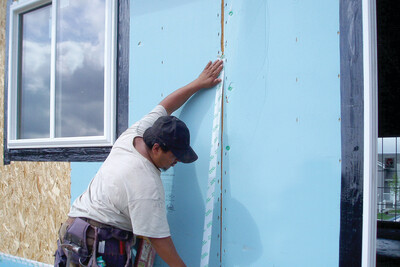 Build A Better Home - A530
This publication describes the primary sources of moisture intrusion in wood wall construction and recommends methods to prevent moisture penetration.
Build A Better Home - A530
This publication describes the primary sources of moisture intrusion in wood wall construction and recommends methods to prevent moisture penetration.
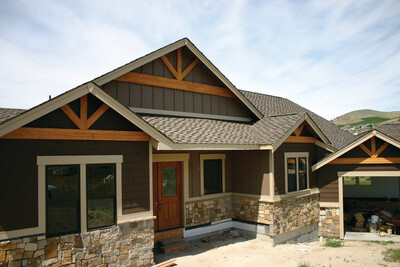 Build A Better Home - A535
This publication describes several roof design and weatherproofing methods used to keep water out of a home’s interior.
Build A Better Home - A535
This publication describes several roof design and weatherproofing methods used to keep water out of a home’s interior.
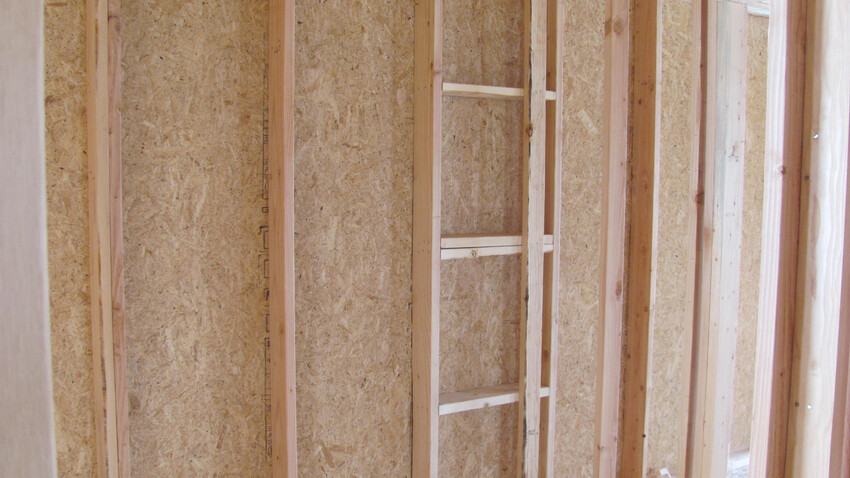
Using the Performance Path for Energy Code Compliance
58 minutes
Sheathe for Success: Simple Techniques to Make Buildings Stronger and More Energy Efficient
60 minutes
2021 & 2024 IECC: Impact on Structural Building Systems
56 minutes