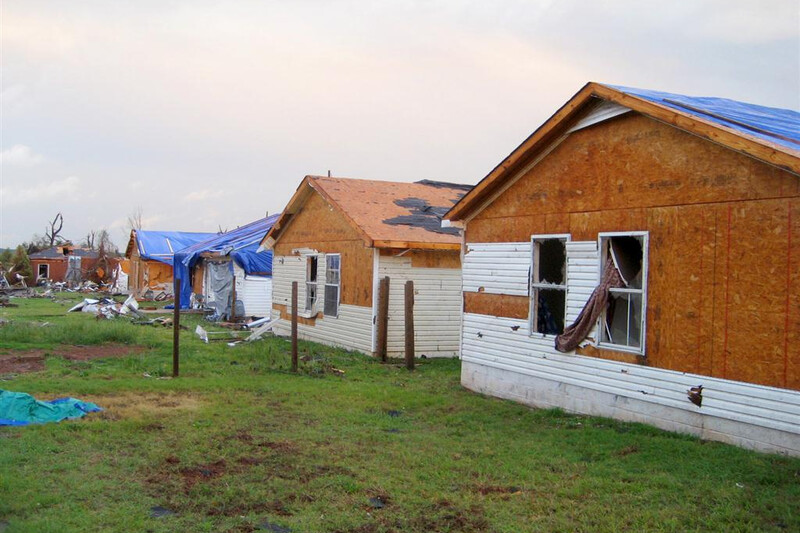
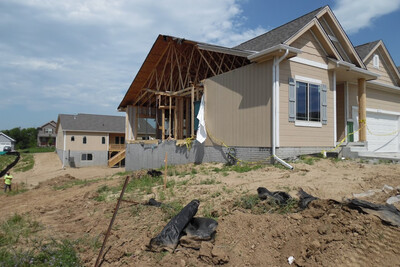
Resiliency in the built environment focuses on a structure's ability to withstand and recover from natural hazards such as high winds, hurricanes, flooding, seismic events, wildfire exposure, and severe storms.
Engineered wood products have a long history of proven structural performance when builders design and install them in accordance with building codes and approved engineering standards.
APA-supported research and testing demonstrate the capability of engineered wood systems to perform in demanding structural and environmental conditions.
APA collaborates with universities, testing laboratories, code organizations, and industry partners to validate structural and enclosure system performance.
APA develops technical resources and design guidance for resilient wall, roof, and floor assemblies that address:
Wind
Seismic
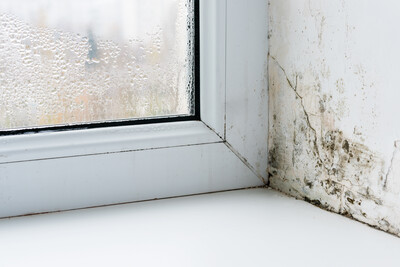
Moisture
Durability
APA staff participate in building code and standards activities to ensure sound science and practical implementation strategies support resilience-related provisions.
APA educates builders, designers, and code officials on best practices for resilient wood-frame construction.
APA evaluates emerging resilience policies and claims to ensure accurate representation of engineered wood product performance.
APA promotes resilient construction solutions through outreach and technical guidance that support safe, durable, and sustainable communities.
APA Technical Experts
MattBrown
Director of Codes and Policy
Matt Brown leads APA’s work in energy policy and building codes, guiding efforts to support efficient, high-performance wood construction. With a background in construction management and energy-efficient building practices, he brings expertise in energy codes, building science, and industry education.
Matt Brown leads APA’s work in energy policy and building codes, guiding efforts to support efficient, high-performance wood construction. With a background in construction management and energy-efficient building practices, he brings expertise in energy codes, building science, and industry education.
How does wood construction contribute to resilience?
Wood-frame construction provides strength, flexibility, redundancy, and repairability that can help structures better withstand and recover from hazard events. Learn more about wood-frame construction resiliency.
Does APA perform resilience testing?
APA supports and participates in structural, environmental, and assembly testing to evaluate the performance of engineered wood systems under various conditions. Learn more about APA’s testing and research.