Energy Efficiency Policies and Building Energy Codes
What to Know
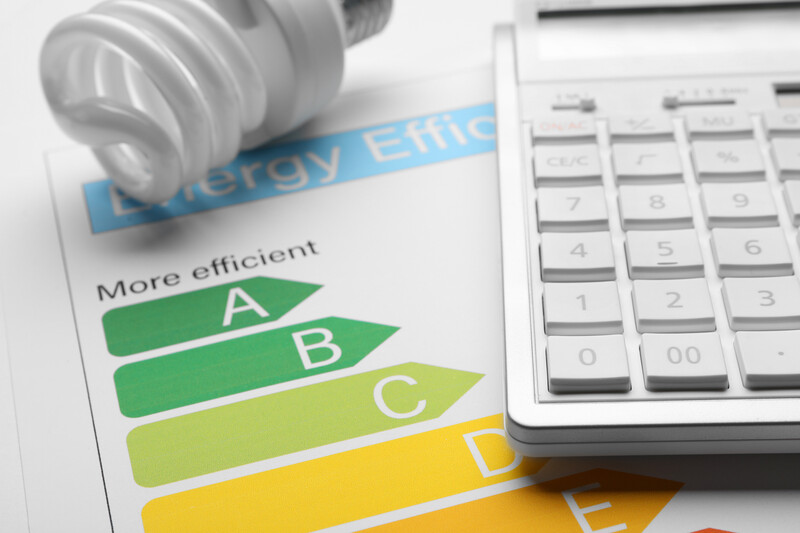
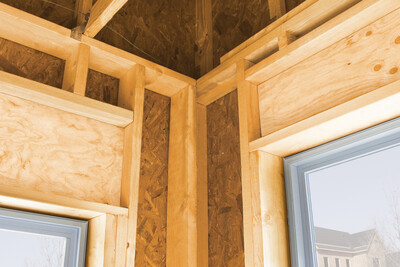
Energy efficiency policies and building energy codes continue to evolve rapidly at the federal, state, and local levels, directly impacting residential and commercial construction practices. The International Energy Conservation Code (IECC) serves as the foundation for many state and local energy codes. They influence construction practices, including wall assemblies, insulation requirements, air sealing, continuous insulation, and overall building envelope performance.
APA supports practical, cost-effective energy solutions that maintain design flexibility, affordability, constructability, and durability for builders and designers.
Reduce innovation opportunities within the wood products industry
APA advocates for flexible compliance approaches that allow builders to meet energy goals using a variety of compliant and proven assemblies. Maintaining balanced code development processes is essential to ensuring energy efficiency improvements remain achievable and economically practical.
What We're Doing
APA actively participates in the development of national model energy codes and standards, including the IECC and ASHRAE 90.1 processes.
APA technical staff engage with code officials, policymakers, builders, and industry stakeholders to advocate for science-based and balanced energy policies that recognize the value of engineered wood construction.
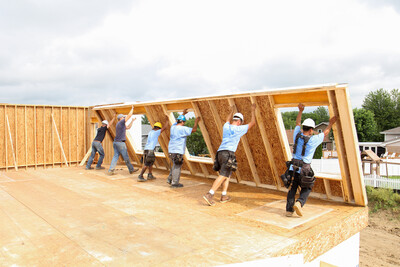
APA develops technical resources, assembly guidance, and educational programs to support compliant and high-performing wood-frame construction.
APA monitors federal and state energy policy proposals that could impact:
Engineered wood product manufacturing
Design flexibility
Housing affordability
APA evaluates wall, roof, and floor assemblies through research, testing, and collaboration with industry partners, for:
APA works to ensure energy policies remain product-neutral and avoid unintended consequences that may disadvantage wood construction systems.
APA supports builder education initiatives that help improve code compliance while promoting practical and durable energy-efficient building practices.
APA Technical Experts
MattBrown
Director of Codes and Policy
Matt Brown leads APA’s work in energy policy and building codes, guiding efforts to support efficient, high-performance wood construction. With a background in construction management and energy-efficient building practices, he brings expertise in energy codes, building science, and industry education.
Matt Brown leads APA’s work in energy policy and building codes, guiding efforts to support efficient, high-performance wood construction. With a background in construction management and energy-efficient building practices, he brings expertise in energy codes, building science, and industry education.
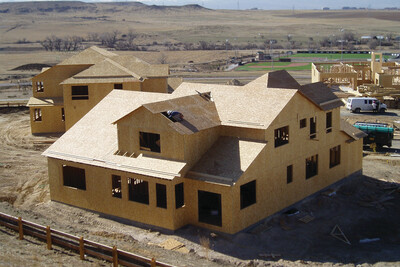
APA participates in energy code development to ensure engineered wood products and wood-frame construction systems remain practical, affordable, and scientifically evaluated within quickly evolving energy efficiency requirements.
How do engineered wood products support energy efficiency?
Engineered wood products support durable building envelope assemblies, advanced framing, improved insulation opportunities, and reduced thermal bridging that contribute to overall building energy performance.
Does APA support energy efficiency improvements?
Yes. APA supports cost-effective, durable, and practical energy efficiency improvements that maintain design flexibility and housing affordability.
What concerns exist with overly prescriptive energy mandates?
Highly prescriptive mandates can reduce material choice, increase construction costs, complicate installation practices, and limit innovation in compliant building assemblies