Cross-Laminated Timber (CLT)

Innovative Solid Wood Panels for Large-Scale Design Options


Build Beyond Limits with Cross-Laminated Timber

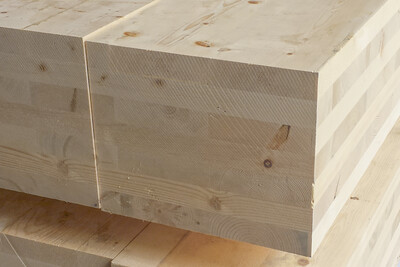
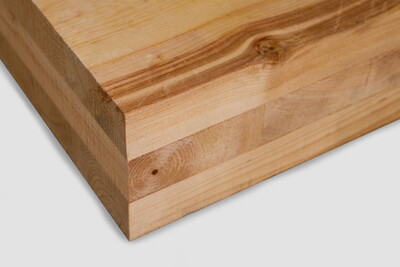
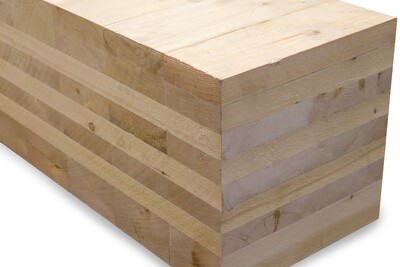
Cross-laminated timber (CLT) is redefining what’s possible in modern construction. This large-scale, prefabricated, solid engineered wood panel delivers an exceptional combination of structural strength, design flexibility, and sustainability. CLT is a compelling alternative to concrete, masonry, and steel in multifamily, commercial, and industrial buildings. Lightweight yet remarkably strong, CLT offers superior acoustic, seismic, and thermal performance, and installs quickly with minimal jobsite waste.

Why Designers & Builders Choose CLTCross-Laminated-Timber-CLT

Cross-laminated timber offers building professionals a powerful combination of performance, efficiency and sustainability that few construction materials can match.

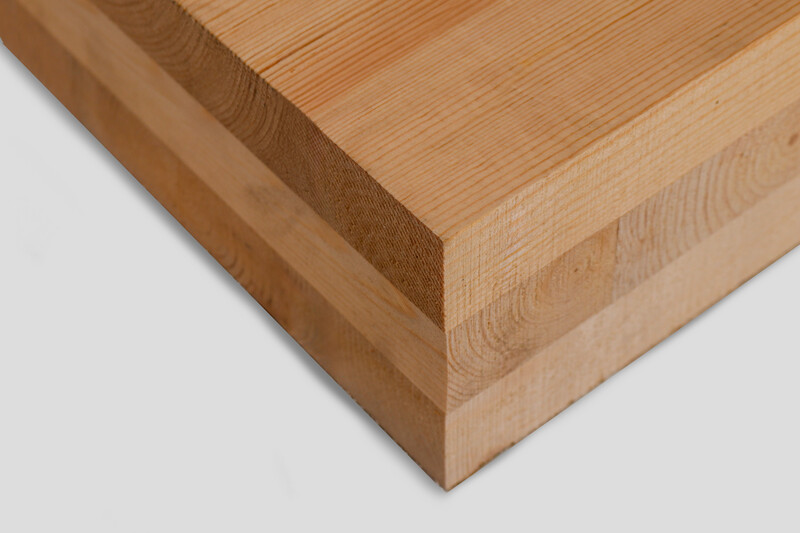
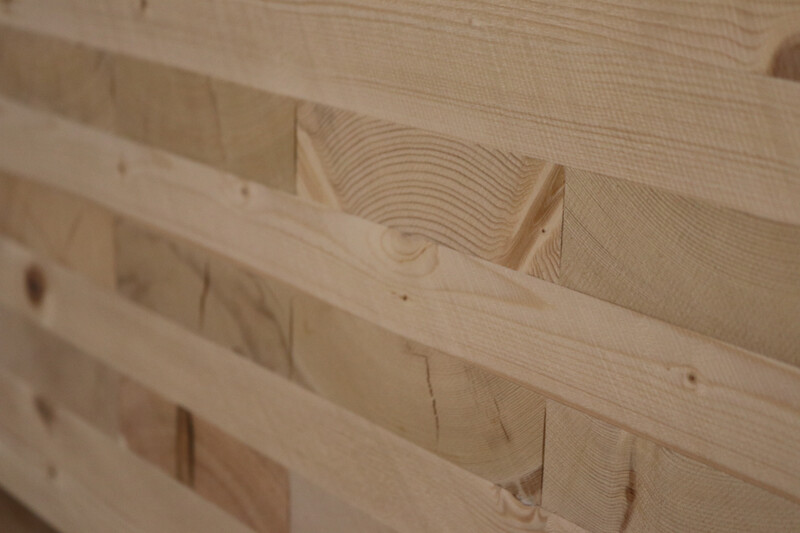
  • Strong and stable: CLT’s cross-laminated layers distribute loads in all directions, delivering exceptional structural strength and dimensional stability.

  • Fast to build: Prefabricated and precision-cut at the mill; CLT panels arrive ready to install, reducing construction time and jobsite waste.

  • Design flexibility: Available in a wide range of sizes and custom configurations, CLT adapts to virtually any architectural vision.

  • Thermally and acoustically superior: CLT’s solid mass provides excellent insulation and sound dampening, enhancing occupant comfort.

  • Biophilic by nature: CLT's warm, natural wood aesthetic fosters an innate connection to the natural world, supporting biophilic design strategies that enhance occupant well-being and bring the outdoors in.

Common Applications of CLT
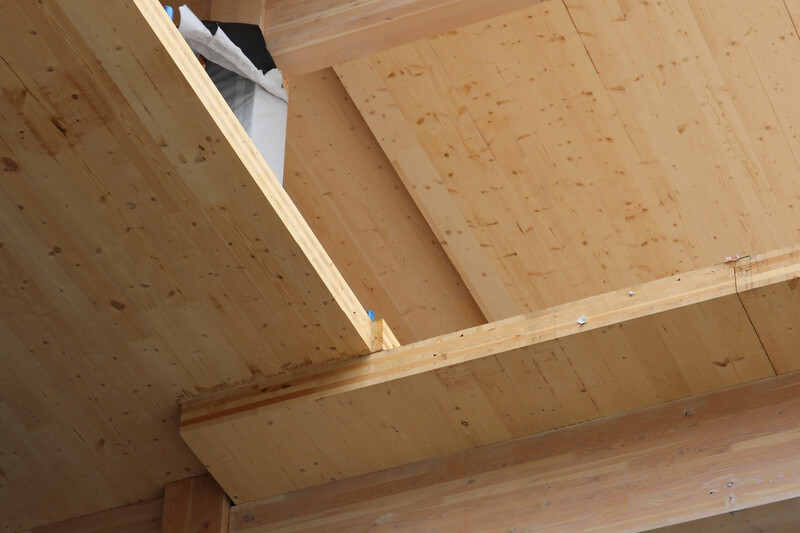
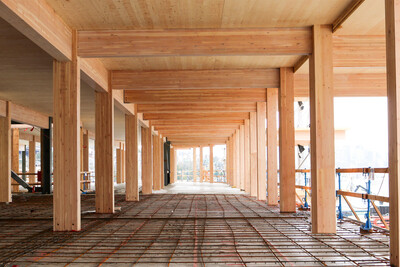
Northlake-Commons-Commercial-Building-Seattle-WashingtonCLT’s versatility makes it one of the most adaptable structural materials available to building professionals today.

  • Walls: Used for both structural and non-structural wall elements, including load-bearing exterior walls and solid interior partitions.

  • Floors and ceilings: CLT’s strength and span capability make it an ideal solution for floor and ceiling systems, including wood/concrete composite assemblies.

  • Roofs: CLT performs exceptionally well in roof applications, including pre-insulated roof sections and parapet walls.

  • Elevator shafts: CLT's dimensional stability and structural integrity make it a compelling solution for elevator shaft construction, including both freestanding cores and integrated shaft assemblies.

From mid-rise multifamily and commercial buildings to industrial facilities and mass timber signature projects, CLT delivers the structural performance and design freedom to bring virtually any project to life. Fabricated with precision at the factory, CLT panels arrive with exact openings for doors, windows, and mechanical elements already cut — streamlining installation and supporting greater design flexibility across project types.
Selecting & Specifying CLT

Selecting the right CLT product requires an understanding of grades, lamination requirements, adhesive standards and moisture specifications.

KEY SELECTION CRITERIA

  • CLT grades: CLT is available in 15 basic grades: five “E” grades, seven “V” grades, and three “S” grades, as shown in ANSI/APA PRG 320-2025. The "E" designation indicates a CLT layup based on the use of E-rated or MSR laminations in the longitudinal layers. The "V" designation indicates a CLT layup based on the use of visually graded laminations in the longitudinal layers. The "S" designation indicates a CLT layup based on the use of structural composite lumber in both longitudinal and transverse layers. Custom CLT grades and layups are permitted under ANSI/APA PRG 320-2025.

  • Laminations: Standard lumber grades must be at least 1200f-1.2E MSR or visually graded No. 2 in longitudinal layers and visually graded No. 3 in transverse layers, with a minimum specific gravity of 0.35. SCL (LSL, LVL, OSL, and PSL) meeting the requirements of ASTM D5456 and with a minimum published equivalent specific gravity of 0.35 shall be permitted.

  • Moisture content: The moisture content of the laminations at the time of CLT manufacturing shall be 16% or less and shall be within 3% of the average moisture content from the qualification. Moisture content of laminations shall meet the recommendations provided by the adhesive manufacturer.

  • Adhesives: CLT adhesives must meet ANSI 405 (with some exceptions) in the U.S. or CSA O112.10 and part of ANSI 405 (with some exceptions) in Canada and must satisfy the full-scale compartment fire test in ANSI/APA PRG 320. See ANSI/APA PRG 320 for full details on the exceptions.

  • Design capacities: Allowable Stress Design (ASD) and Limit States Design (LSD) reference design values for bacic CLT grade and layups are published in ANSI/APA PRG 320. Allowable Stress Design (ASD) and Limit States Design (LSD) reference design values for custom CLT grade and layups are published in APA Product Reports®.

  • Trademarks: Specify CLT products bearing the APA trademark to ensure conformance to ANSI/APA PRG 320.

FULL DOCUMENTATION

For comprehensive specification guidance and technical specifications, download the Cross-Laminated Timber Selection and Specification Guide or ANSI/APA PRG 320-2025: Standard for Performance-Rated Cross-Laminated Timber.

E30: CROSS-LAMINATED TIMBER SELECTION & SPECIFICATION GUIDE

ANSI/APA PRG 320-2025

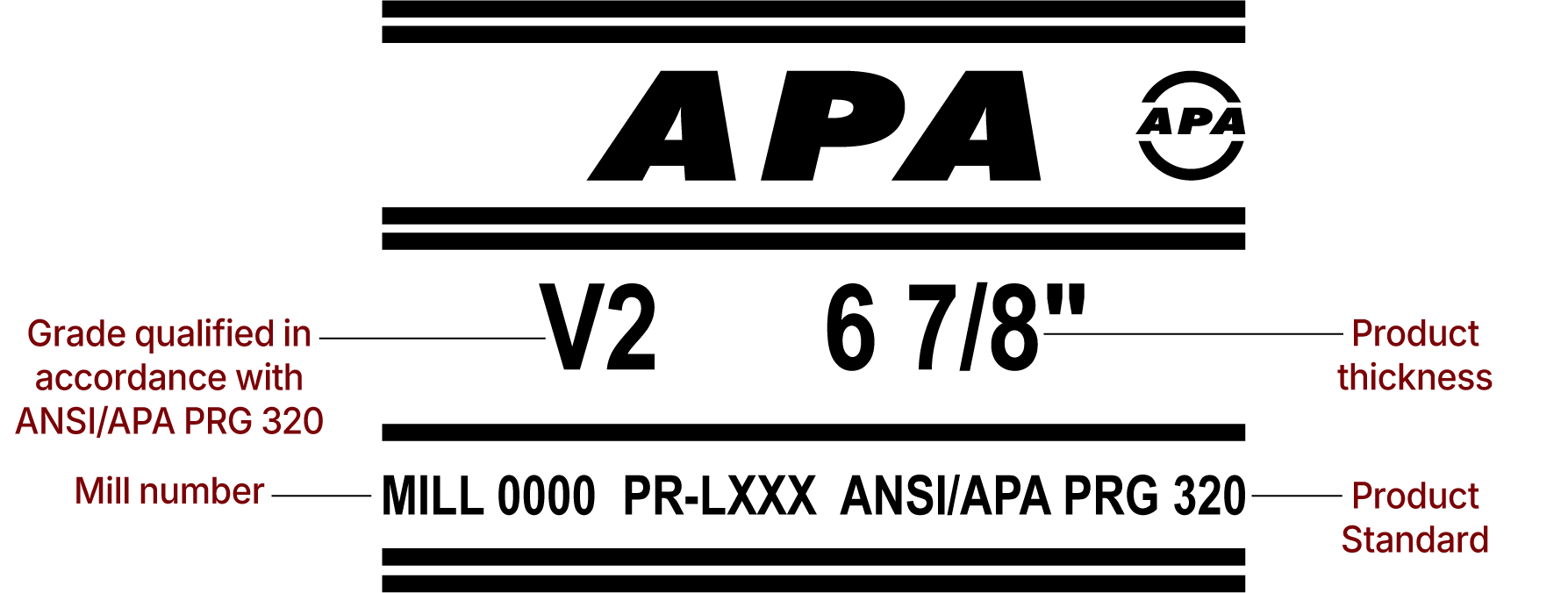
HOW TO READ THE APA TRADEMARK

Understanding the APA trademark ensures you select the CLT that meets the demands of your project.

Reading a CLT APA Trademark stamp

Quality You Can Trust. Backed by APA.

APA member manufacturers produce cross-laminated timber (CLT) that meet stringent quality standards verified through APA's rigorous testing and inspection programs. Specifying CLT bearing the APA trademark, manufactured by APA members, ensures you receive products that have been qualified to published performance standards and are backed by ongoing quality assurance testing from a trusted third party.

WHAT APA MEMBERSHIP MEANS

  • Manufactured to recognized U.S and Canadian standards

  • Subject to ongoing quality assurance and product testing

  • Produced by companies with proven expertise in engineered wood products

  • Supported by APA technical resources, evaluation, and industry oversight

FIND A CLT MANUFACTURER

Use the APA manufacturer directory to locate member manufacturers and explore the range of CLT and other engineered wood products they produce.

FIND APA MEMBER MANUFACTURERS


Typical CLT Trademark Stamps

The APA trademark is a quality and performance mark that verifies an engineered wood product meets recognized industry standards and conforms to APA’s stringent, third-party quality auditing procedures. On cross-laminated timber (CLT), the stamp identifies the applicable product standard and key performance characteristics needed for proper specification and use.

TM-APA-CLT-Callouts

Top Questions from the Field

What is the maximum height for CLT mass timber buildings?

The 2021 and 2024 International Building Code (IBC) allows cross-laminated timber (CLT) and mass timber buildings in the U.S. up to 18 stories (Type IV-A), 12 stories (Type IV-B), and 9 stories (Type IV-C).

Have a Specific Question?

Ask the APA Help Desk