Lateral Load
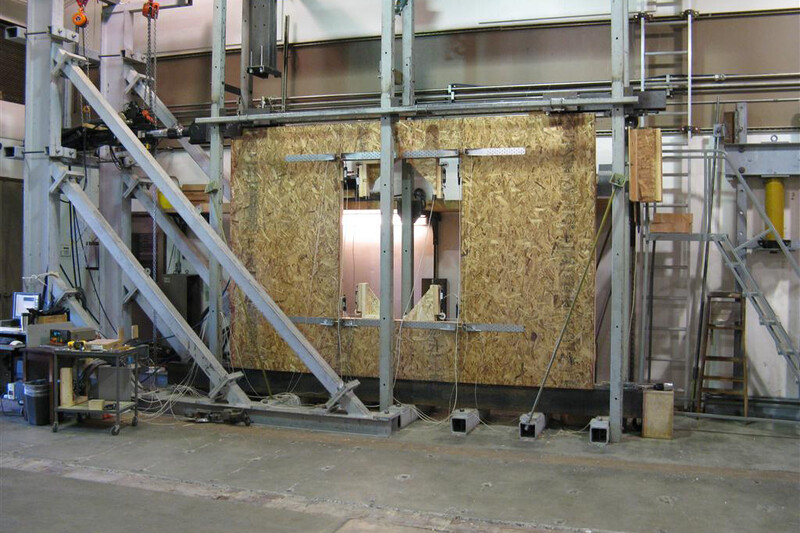
APA research and testing programs help advance the performance, safety, and market acceptance of engineered wood products and building systems. Through applied research, full-scale structural testing, and product validation, APA supports the development of trusted standards, code-recognized solutions, and performance-rated products used throughout the industry.
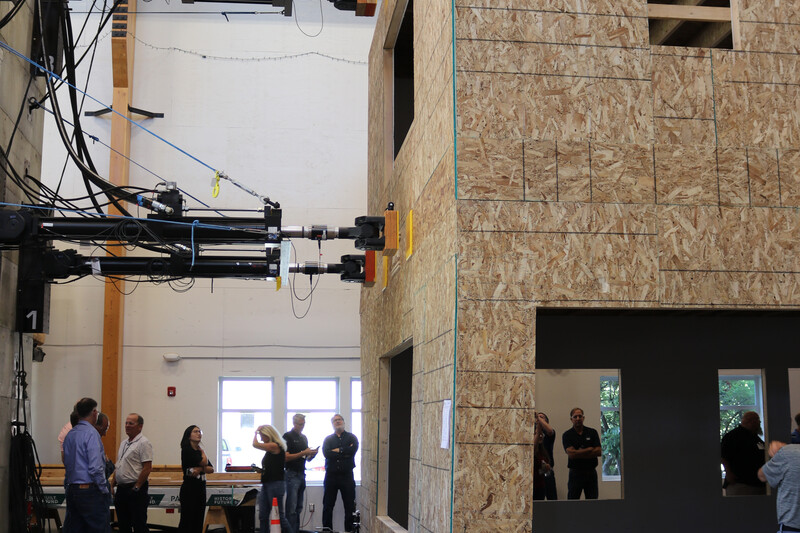 Research initiatives focus on improving structural systems, construction practices, and product innovation across residential, commercial, and industrial applications, including:
Wood structural panels and engineered wood products
Mass timber and hybrid construction systems
Wind and seismic performance
Floor, wall, and roof assemblies
Shear walls and diaphragms
Long-span and high-load structural systems
Product durability and serviceability
Code-related testing and validation
Research findings help inform APA publications, product evaluation reports, design recommendations, performance standards, and code recognition used throughout the industry.
42,000 sq. ft. APA research and testing center
40-foot-high Test Bay Supports large-scale structural assembly testing
220,000 lbf Actuator Capacity Enables advanced structural load testing
868 floor anchors 100,000-lbf capacity each
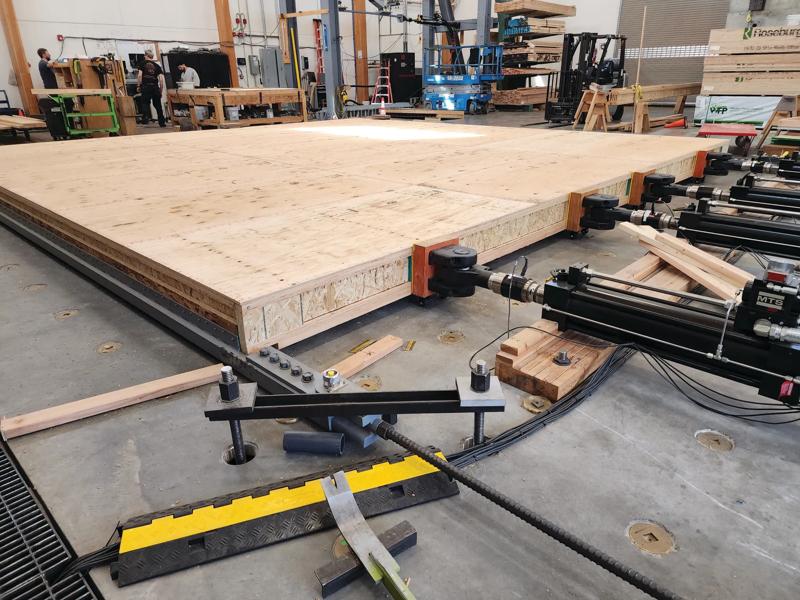
Technical data developed through APA research helps:
Support code compliance and product approval
Validate structural performance under real-world conditions
Establish design values and engineering recommendations
Improve safety, efficiency, and construction practices
Advance innovative engineered wood systems and assemblies
APA research has contributed to advancements in wall bracing, diaphragm design, force transfer around openings (FTAO), wind and seismic performance, mass timber assemblies, and engineered wood framing systems.
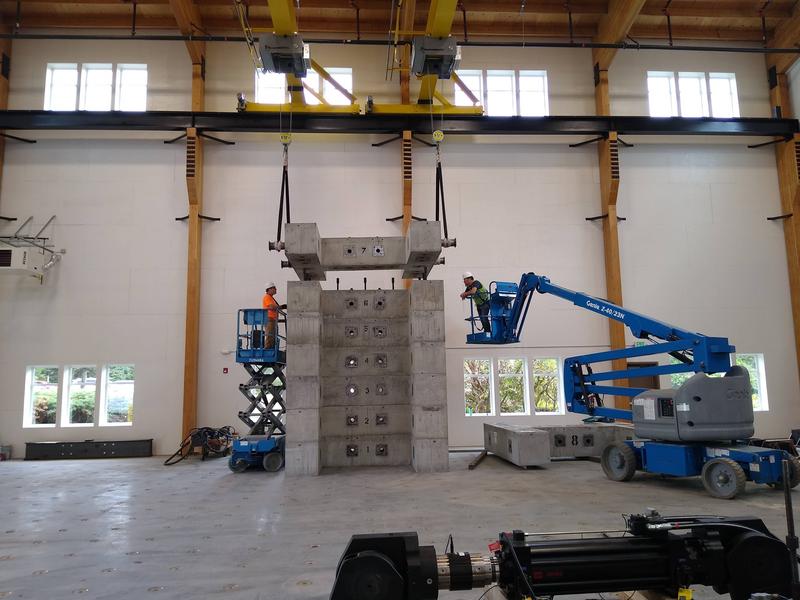
Purpose-built for large and complex testing programs, the facility includes a 40-foot-high ceiling, a 4-foot-thick reinforced strong floor, 10 strong wall blocks with more than 850 anchors, and two 5-ton cranes designed to support large-scale structural testing and assembly evaluation.
The laboratory supports testing for:
Floor, wall, and roof assemblies
Diaphragm and shear wall systems
Mass timber and hybrid structural systems
Full-scale structural performance under simulated wind and seismic loading
The building itself demonstrates engineered wood performance, incorporating laminated veneer lumber (LVL) studs and purlins, glulam columns and curved glulam roof beams, wood structural panel wall and roof sheathing, and exterior OSB lap siding throughout the facility.
Learn more by downloading B707: APA Laboratory Testing Capabilities to explore the lab’s physical and equipment capabilities and see examples of the research and testing initiatives made possible through APA’s world-renowned facility.
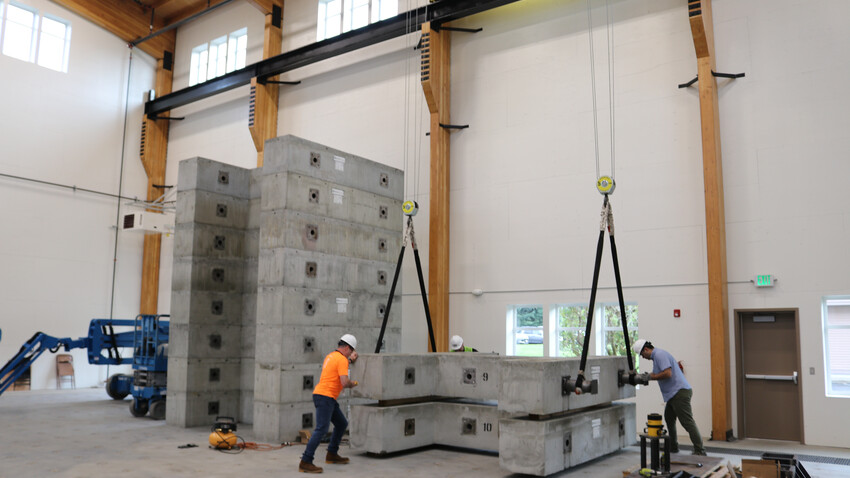
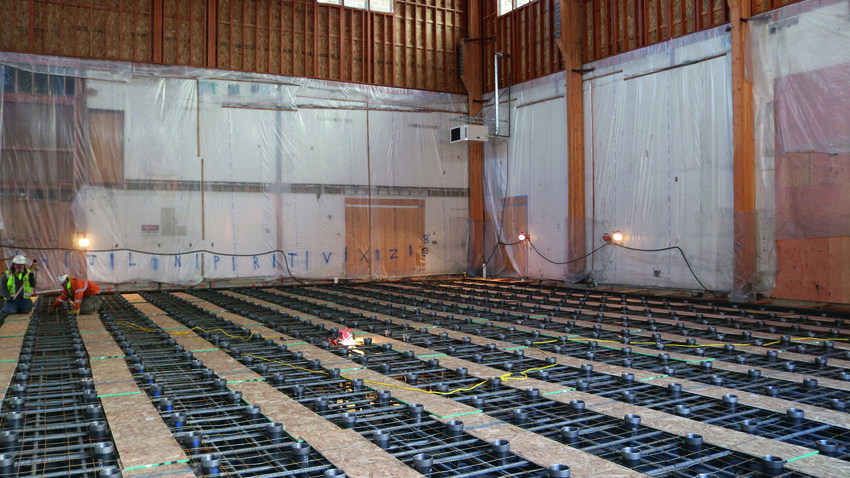
Strong Wall
More than 190,000 pounds of concrete form a 20-foot-high strong wall built to resist the massive reaction forces generated during structural testing.
Strong Floor
A 70-by-75-foot reinforced floor built with 28 tons of steel rebar, 830 tons of concrete, and 868 anchors spaced 2 feet on center, each with a 100,000-lbf capacity.
APA conducts full-scale structural testing and applied research on engineered wood products and building systems. Testing may evaluate floor, wall, and roof assemblies, shear walls, diaphragms, mass timber systems, long-span framing systems, and hybrid structural assemblies under real-world loading and performance conditions.
APA research provides technical data used to support building code compliance, product evaluation reports, design recommendations, and industry standards. Testing and validation programs help manufacturers, designers, and code officials evaluate the structural performance of engineered wood systems and products.
Yes. APA supports manufacturers through testing, research, certification, and product evaluation programs designed to help validate performance, demonstrate code compliance, and support market acceptance.
APA operates a 42,000-square-foot research and testing facility at its headquarters in Tacoma, Washington. The laboratory supports full-scale structural testing, product evaluation, and advanced research on engineered wood systems and assemblies.
A performance-rated product is evaluated based on how it performs in structural applications rather than solely by wood species or prescriptive construction methods. APA performance ratings are developed through testing, engineering analysis, manufacturing qualification, and ongoing quality verification to help support consistent performance and code compliance.
APA publishes technical reports, design resources, product evaluation reports, and research findings that support engineers, designers, manufacturers, builders, and code officials throughout the industry.