Energy Efficiency

HERS-1-AdobeStock_187293557

Energy Efficiency in Wood Construction

Energy codes are evolving – and so are the solutions. Discover how engineered wood products and proven design techniques can help you meet today’s energy code requirements while keeping projects on schedule and affordable.


Building for Energy Efficiency

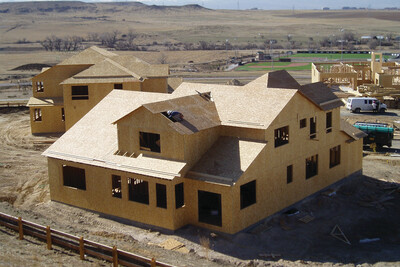
As building energy codes continue to evolve, builders and designers face growing pressure to construct homes that meet the increasingly stringent performance standards. Meeting today’s energy codes doesn’t have to mean sacrificing affordability, design flexibility or constructability. With the right materials, techniques and resources, builders can construct energy-efficient homes that are durable, cost-effective and built to last.

APA Supports Builders and Designers in Meeting Today’s Energy Code

  • APA has an active voice in code development. APA participates in the development of national model energy codes and standards, advocating for science-based, balanced policies that recognize the value of engineered wood construction.

  • Proven assemblies backed by research. APA evaluates wall, roof and floor assemblies through rigorous research, testing and industry collaboration – assessing thermal performance, moisture management and long-term durability so builders can specify with confidence.

  • Flexible compliance pathways. APA advocates for approaches that allow builders to meet energy goals using a variety of compliant, proven assemblies – preserving design flexibility, affordability and constructability.

Engineered Wood is a Smart Choice for Energy-Efficient Homes

  • Wood is a naturally energy efficient building material. As an insulator, wood outperforms steel and concrete.

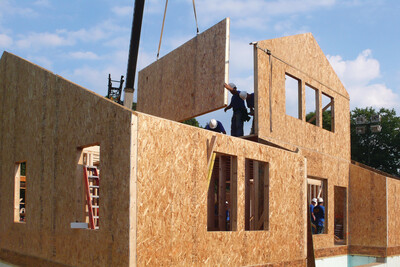
  • Engineered wood products give builders flexibility to meet code. From advanced framing techniques to structural insulated panels (SIPs), wood-based wall systems offer a range of proven options that balance energy performance, affordability and durability.

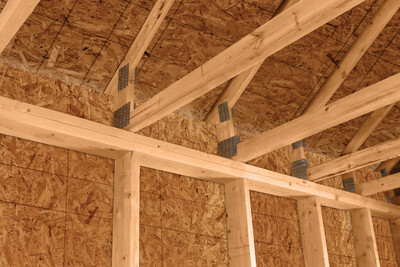
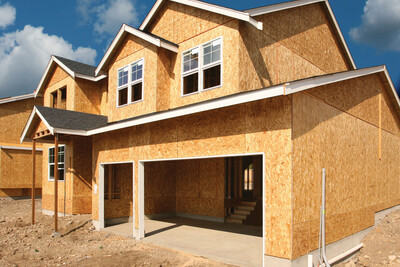
  • Wood structural panels do double duty. Plywood and OSB sheathing contribute to both the structural strength and energy performance of a wall system, helping builders meet code requirements without adding cost or complexity.

The Performance Path

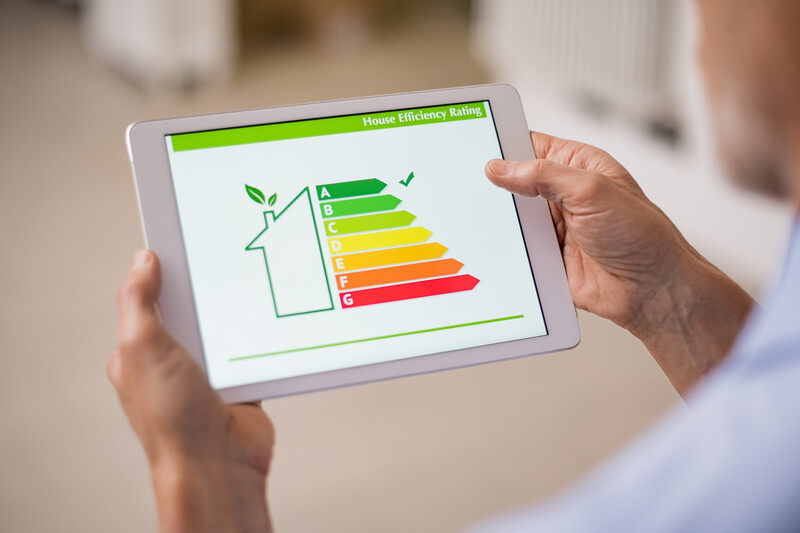
When new energy codes are introduced, the biggest concern for builders is often the cost impact of changes. While the IECC has become stricter over time, it has also evolved to permit greater flexibility for buildings, allowing different methods or “paths” to demonstrate compliance. Using a performance approach to code compliance lends maximum flexibility to meet or exceed the energy code in the most cost-effective manner.

  • A performance path uses energy modeling to demonstrate that the building as a whole uses equal or less energy than a home built using the prescriptive path.

  • Trade out high-cost assemblies for smarter solutions. The performance path allows flexibility to trade out many of the high-cost assemblies required in the prescriptive path, while delivering a home that is more energy-efficient from top to bottom.

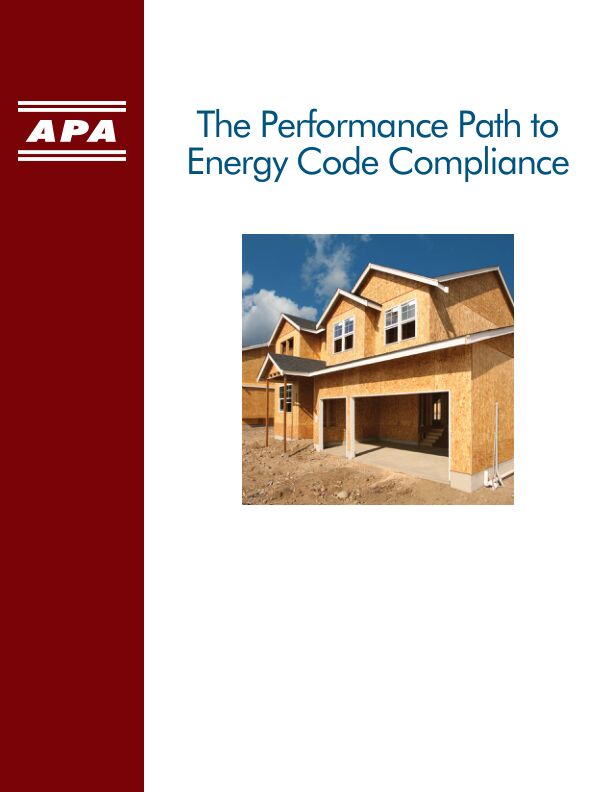
Learn more in APA’s Performance Path to Energy Code Compliance, Form R505.

Performance Path to Energy Code Compliance
Advanced Framing for Energy Efficiency

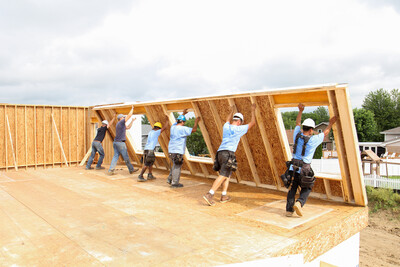
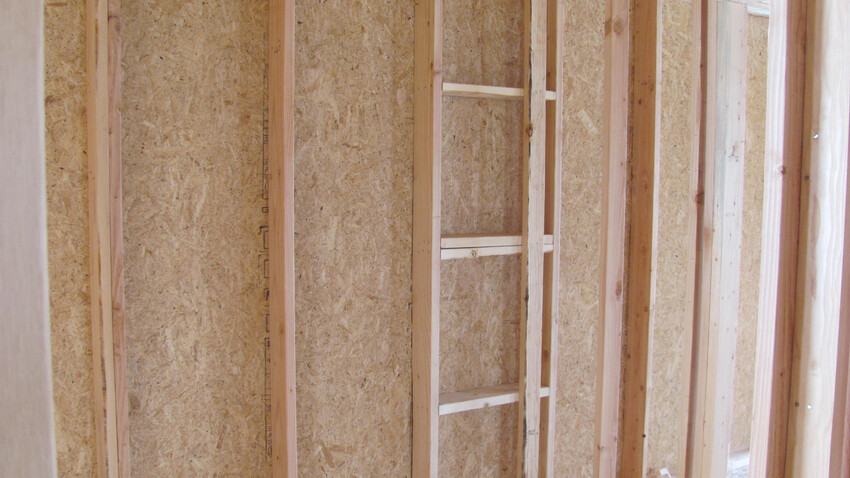
  • Advanced framing is a cost-effective way to meet or exceed energy code requirements. As energy codes have become more stringent, advanced framing has grown popular in climate zones where high prescriptive wall R-values are mandated or desired.

  • The technique maximizes space for cavity insulation while minimizing the potential for insulation voids, delivering significant energy performance and cost savings for the builder.

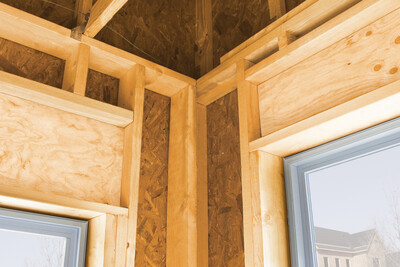
  • While framing with 2x6 studs spaced 16 inches on center is already common in many areas, increasing stud spacing to 24 inches on center, insulating effectively and fully sheathing with wood structural panels allows builders to cost-effectively balance energy and structural code requirements.

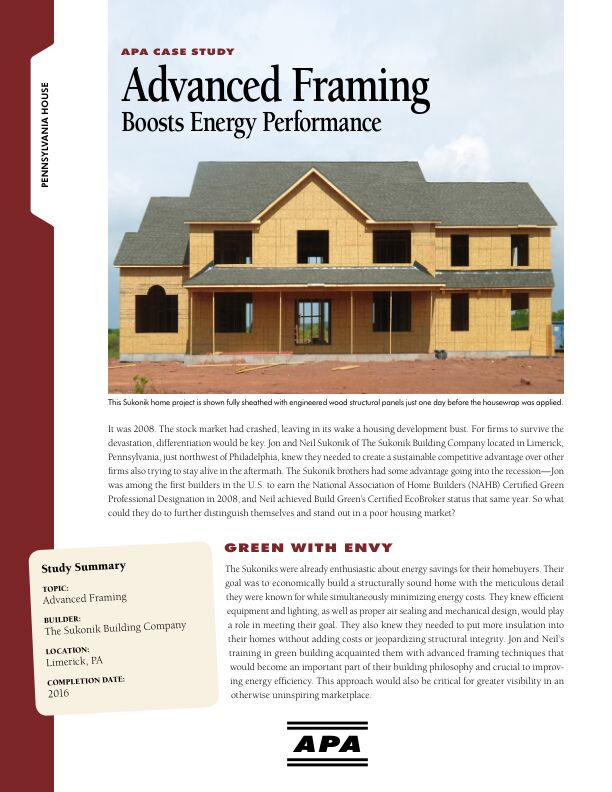
Learn more in APA’s Advanced Framing Construction GuideForm M400.

Advanced Framing Construction Guide

APA offers a wide range of technical resources to help you build energy-efficient homes.

Learn more about energy-efficient design techniques, including:

Nature-Blocks-AdobeStock_495746072

APA and the Energy Code

Energy efficiency policies and building energy codes are evolving rapidly. APA supports practical, cost-effective energy solutions that maintain design flexibility, affordability, constructability and durability for builders and designers. Visit the APA Energy Efficiency Policies and Building Energy Codes page to learn more about APA’s advocacy work on behalf of the engineered wood industry.

Learn More


Top Questions from the Field

What is the prescriptive path?

The prescriptive path dictates how the thermal envelope of a home will be built. It requires the use of specific components that meet the R-value or U-value listed in the code table. This method must be strictly followed with few alternatives or differences allowed.

For more information, refer to APA’s The Performance Path to Energy Code Compliance, Form R505.

What is the performance path?

The performance path allows alternative options, giving builders the flexibility to pick and choose from many assemblies, as long as the energy performance of the entire house meets the code.

For more information, refer to APA’s The Performance Path to Energy Code Compliance, Form R505.

Have a Specific Question?

Ask the APA Help Desk