
Upholstered Furniture

Furniture-Couch-Plywood-Frame

Manufacturing Upholstered Furniture with Plywood, OSB and SCL

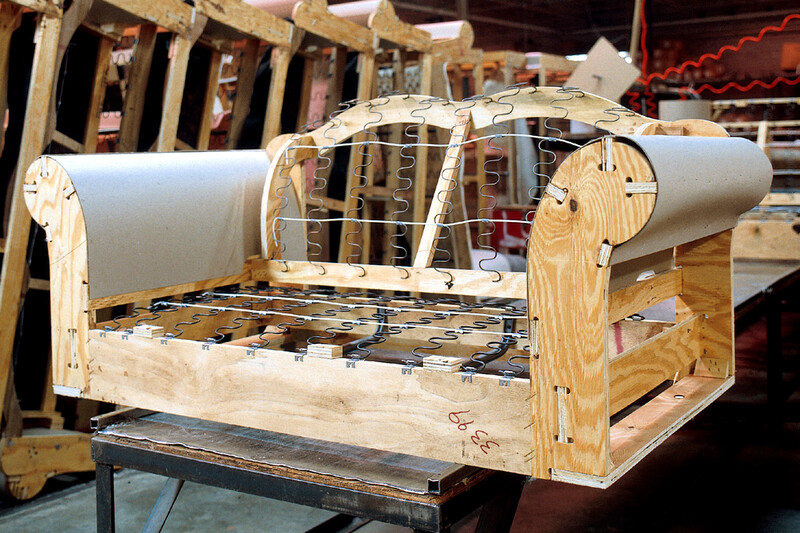
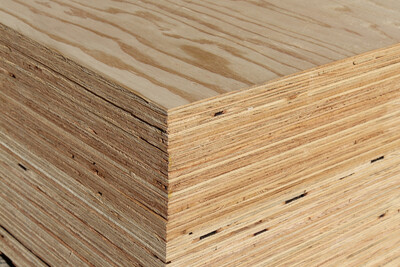
Engineered wood products like OSB, plywood, and structural composite lumber (SCL) are popular with upholstered furniture manufacturers for a variety of reasons. Furniture-grade wood products allow manufacturers to attain higher material yields, reduce assembly costs and deliver quality furniture that will stand up to the demands of a lifetime warranty.


Engineered Wood is the Smart Choice for Upholstered Furniture

Engineered wood products like plywood, OSB and structural composite lumber (SCL) have transformed the way upholstered furniture is made. Engineered wood products’ structural benefits and manufacturing flexibility result in quality furniture at a reasonable cost, resulting in increased yields for an environmentally friendly boost to profit margins.

The APA Mark of Quality

  • The APA trademark is a manufacturer’s assurance that every panel conforms to the standard shown on the trademark and has undergone APA’s rigorous program of verification and testing – something many imported panels cannot claim.

  • As an internationally accredited testing laboratory, APA has tested imported hardwood panels against panels qualified to PS 1. Imported panels show inferior mechanical and connection properties, severe bond durability failures and near-universal failure to meet CARB formaldehyde limits.

Cost Effective Materials for Furniture Manufacturing

  • Plywood, OSB and SCL are readily available and cost-competitive compared to traditional hardwood lumber, allowing manufacturers to better control production costs and pass those savings on to consumers.

  • Large panel sizes allow wide furniture components to be cut in a single piece, reducing labor costs and improving frame quality.

Manufacturing Benefits of Engineered Wood Panels

  • Furniture-grade plywood and OSB are ideal for use with Computer Numeric Control (CNC) panel saws and routers, improving manufacturing efficiency and precision across large production runs.

  • The uniformity and consistency of engineered wood panels eliminates the need to replace split or warped lumber components. Their dimensional stability makes them well-suited for notched joints and other precise joinery.

Structural Integrity Built for Decades of Use

  • Furniture-grade engineered wood panels are engineered specifically for their intended end us, giving manufacturers the ability to take full advantage of their strength and fastener-holding capabilities in upholstered furniture frames.

  • Panels are dimensionally stable and far less likely to warp or twist than solid lumber, ensuring consistent performance over the life of the furniture and reducing the likelihood of structural failure.

  • The reliability of engineered wood panel components helps reduce service calls and warranty claims, directly contributing to higher customer satisfaction and a stronger reputation for quality.

Low Formaldehyde Emissions for Safer Indoor Environments

  • APA-Certified plywood and OSB panels have such low formaldehyde emission rates that they are exempt from U.S. EPA and California Air Resources Board (CARB) regulations. This provides a critical advantage in an industry where imported composite wood products have raised serious concerns about indoor air quality.

  • Unlike many imported panels that are not tested or qualified to known product standards, APA-Certified panels are locally sourced and manufactured under rigorous quality controls, giving furniture makers and consumers alike confidence in the safety of the finished product.


Top Questions from the Field

Are both plywood and OSB furniture panels available?

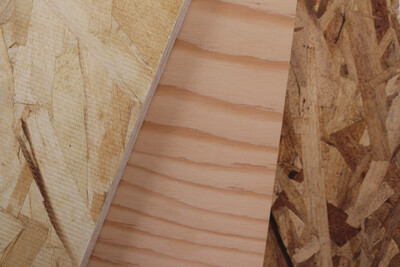
Yes. Plywood and OSB panels are uniform and dimensionally stable, making them ideal for furniture joinery. The consistent, dry moisture content of wood structural panels eliminates issues caused by warped, crooked and bowed parts.

Visit the APA Manufacturer Directory to find plywood and OSB panels near you.

Have a Specific Question?

Ask the APA Help Desk