MDO/HDO Panels

Engineered Surface Durability for Demanding Applications

Product-Medium-Density-Overlay-Panel

HDO/MDO Overlay Plywood: Built Tough, Built to Last

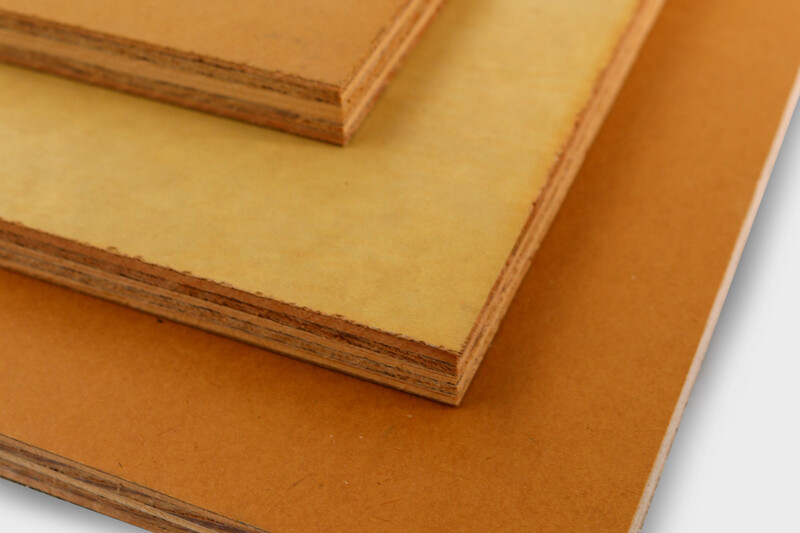
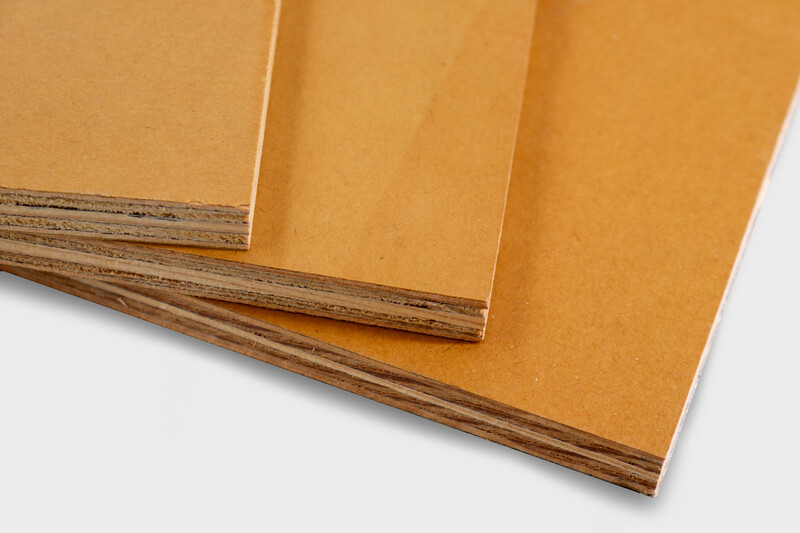
HDO and MDO overlay plywood from APA member manufacturers deliver the surface toughness that demanding applications require. Thermosetting resin-impregnated fiber faces, bonded under heat and pressure, create a highly durable surface that stands up to abrasion, moisture, chemicals, and repeated use. Behind that surface is all the performance that makes plywood a proven structural material—high strength-to-weight ratio, dimensional stability, and racking resistance—available in large panel sizes and easily worked with standard tools. From concrete formwork and highway signage to truck linings and structural siding, HDO and MDO provide lasting performance and lower lifecycle costs.

Why Builders and Specifiers Choose HDO/MDO Overlay Plywood2024 Multi product hdo/mdo

From concrete formwork and highway signage to structural siding and industrial containment, HDO and MDO overlay plywood deliver the surface performance and structural reliability that high-demand applications require. The combination of a resin-impregnated fiber overlay with Exterior-type plywood construction gives professionals a panel they can count on for durability, reuse, and lower lifecycle costs.

Key Benefits Include:

  • Tough, Resin-Impregnated Surface: Thermoset fiber overlays bonded under heat and pressure create a surface engineered to resist abrasion, impact, moisture, and chemical exposure

  • Extended Service Life and Reuse: HDO concrete form panels can support up to 200 pours, and both HDO and MDO overlays are engineered to withstand repeated use, harsh exposure, and long-term wear across demanding environments

  • Broad Chemical Resistance: HDO Industrial grade resists a wide range of acids, alkalies, and organic chemicals, making it ideal for tanks, ducts, and chemical storage environments

  • Ideal Paint Base: MDO General grade provides a smooth, resin-fiber surface with excellent tooth for rapid, even paint application and long-lasting exterior finish performance

  • Low Vapor Permeance: Overlaid plywood acts as an effective vapor barrier, with HDO panels achieving permeance values as low as 0.1 perms

  • Full Structural Performance: Panels retain plywood's high strength-to-weight ratio, dimensional stability, cross-panel strength, and racking resistance

  • Workability and Fabrication Ease: HDO and MDO panels cut, drill, rout, and fasten cleanly with standard tools, with overlays that resist splitting and slivering even at high machine speeds

Common Applications for HDO/MDO Overlay Plywood2024 Multi product hdo/mdo

HDO and MDO overlay plywood are specified across construction, industrial, transportation, and specialty applications where tough surface performance and long-term durability are essential.

APA-trademarked HDO and MDO panels deliver consistent, dependable results in high-demand applications, including:

Concrete Forming

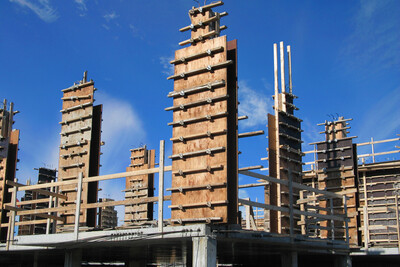
  • Gang forms and conventional formwork

  • Smooth-finish architectural concrete (HDO Concrete Form)

  • Matte-finish architectural concrete (MDO Concrete Form)

  • Complex and shaped form components

Exterior Construction

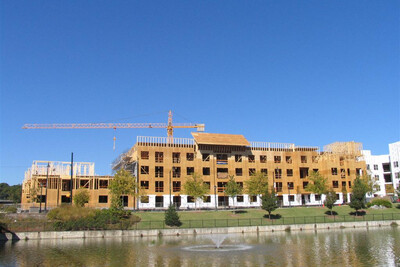
  • Structural siding and soffits

  • Fascias, exterior accent panels, and trim

  • Chimney enclosures, screens, and gable ends

  • Fences, garage doors, and wainscoting

Signage

  • Highway and roadway signs

  • Painted commercial signs and large displays

  • Reflective film substrates (HDO Industrial)

Transportation & Marine

  • Truck and trailer linings

  • Railroad car interiors and cargo floors

  • Recreational vehicle cabinetry

  • Boat hulls, bulkheads, transoms, and cabin interiors

Industrial & Chemical

  • Industrial tanks, vats, and exhaust ducts

  • Factory work surfaces and assembly benches

  • Pallet decks, storage lockers, and drying racks

  • Controlled-atmosphere and refrigeration chambers

Agriculture

  • Farm building walls and interiors

  • Fertilizer storage bins

  • Controlled-atmosphere produce storage

  • Forage wagons and spreader bodies

Whether the job calls for hundreds of concrete pours, years of exterior weather exposure, or continuous contact with corrosive chemicals, HDO and MDO overlay plywood are engineered to meet the challenge and reduce long-term maintenance and replacement costs.

Selecting & Specifying HDO/MDO Overlaid Panels

Selecting the right overlaid panel starts with matching the grade and overlay type to the demands of your application. The APA trademark on each panel identifies the overlay classification, veneer grades, bond durability, species group, and performance category—everything specifiers need to confirm the panel meets project requirements.

Full Documentation

For complete information on panel properties, veneer grades, bond classifications, and design capacities, download APA’s Panel Design Specification guide, Form D510.

D510 – Panel Design Specification

For detailed product descriptions, application guidance, finishing recommendations, and sample specifications, download APA’s HDO/MDO Plywood Product Guide, Form B360.

B360 – HDO/MDO Plywood Product Guide

How to Read the APA Trademark

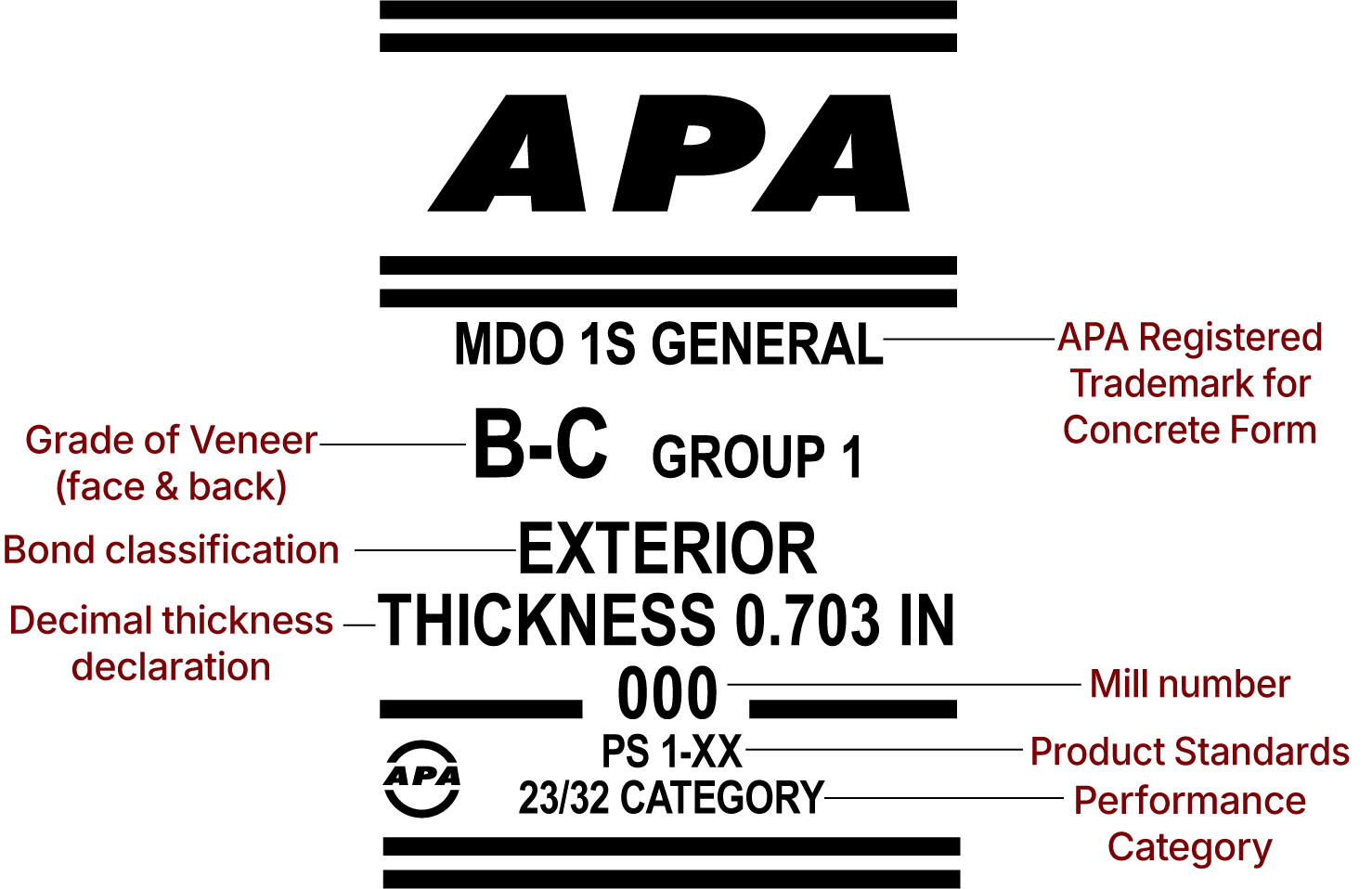
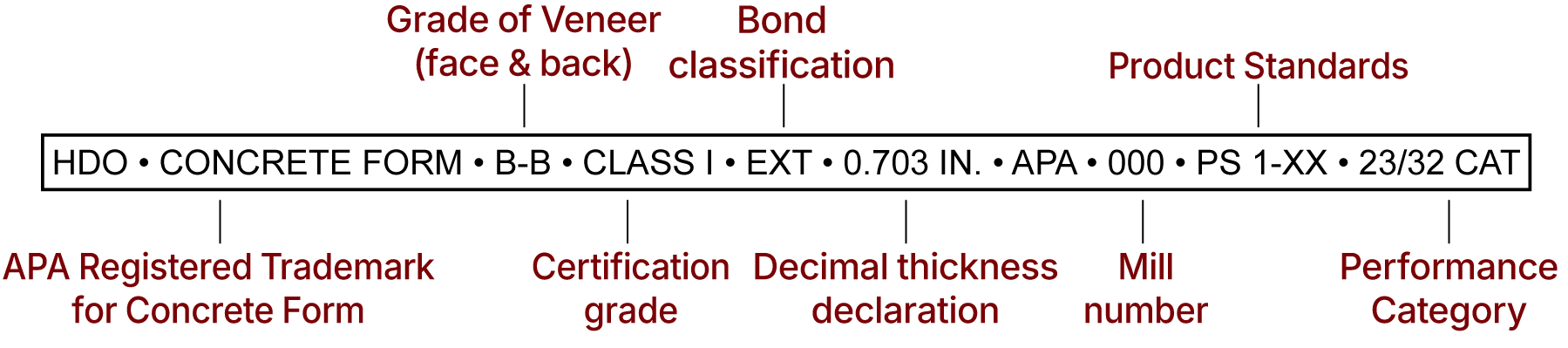
The APA trademark on every HDO and MDO panel produced by APA members identifies the overlay type, grade, veneer classification, species group, bond durability, performance category, and governing standard—providing the information needed to verify the panel meets your specification.

View HDO/MDO Trademark Examples

Key Selection Criteria

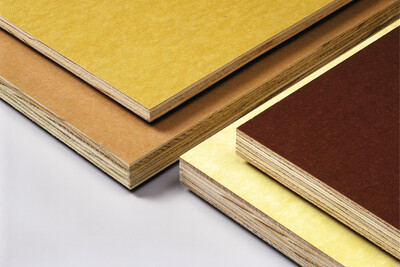
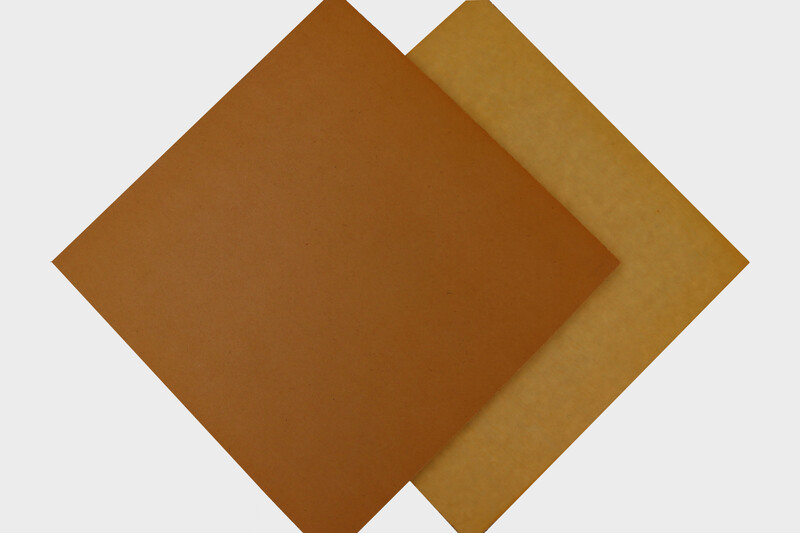
  • Overlay Type and Grade – HDO is available in Concrete Form and Industrial grades. MDO is available in Concrete Form and General grades. Concrete Form grades are manufactured with higher resin content overlays specifically engineered for the harsh conditions of formwork. Industrial and General grades are designed for signage, siding, transportation, and other demanding applications.

  • Resin Content – HDO Concrete Form overlays contain not less than 52% phenolic resin; HDO Industrial not less than 45%. MDO Concrete Form contains a minimum of 34% phenolic resin; MDO General contains 27%. Higher resin content increases surface hardness, chemical resistance, and reuse life.

  • Veneer Grades and Species Groups – HDO is manufactured with B-grade or better face veneers and C- or C-Plugged inner plies. Regular MDO uses B-grade face and back veneers with C-grade inner plies. Wood species are classified into five groups under PS 1, with Group 1 being the strongest.

  • Bond Classification – Both HDO and MDO are manufactured exclusively with Exterior bond classification, using 100% moisture-resistant adhesive. This makes them suitable for permanent outdoor exposure and repeated wetting and redrying.

  • Overlay Sides – HDO and MDO overlays may be specified on one face or on both face and back, depending on whether one or both sides of the panel will be exposed in the finished application.

  • Performance Category and Thickness – Panels are designated by performance category (e.g., 1/2, 5/8, 3/4), which corresponds to panel thickness and load capacity. Standard panel sizes are 4x8 feet, with extra-long panels available by special order from some APA member mills.

  • Governing Standard – HDO and MDO plywood are manufactured in accordance with Voluntary Product Standard PS 1, Structural Plywood. The APA trademark on each panel confirms conformance with PS 1 and APA's ongoing quality auditing program.
Working with HDO/MDO Overlay Plywood

HDO and MDO overlay plywood are easy to work using standard shop and carpentry tools. The resin-impregnated overlay resists edge splitting and slivering and remains tightly bonded even at high machine speeds. A few key practices help ensure clean results and lasting performance.

Key Guidance Includes:

  • Cutting and Drilling: Use sharp, high-speed power tools. Extend saw blades at least 1/2 inch through the panel, direct cutting teeth into the face side, and back with scrap material to prevent chipping. Drill at least 1/4 inch from panel edges.

  • Fastening: Spiral or ring-shank nails provide the best holding power. Avoid overdriving fasteners, which can breach the overlay and create a path for moisture. Seal any overdriven or countersunk holes with caulk or exterior wood filler.

  • Gluing: Lightly sand and clean HDO overlay surfaces before adhesive application. Use resorcinol or phenolic-type adhesives for exterior assemblies and maintain clamping pressure until fully cured.

  • Finishing MDO: Always face-prime and top-coat MDO panels with a compatible solid-color stain or house paint for exterior or high-moisture applications. MDO's resin-fiber surface is manufactured as an ideal paint base.

  • Finishing HDO: HDO Industrial performs without a topcoat in most applications. When painting or applying reflective sheeting, scuff-sand with fine grit sandpaper or clean with a solvent-saturated nylon abrasive pad before coating.

  • Edge Sealing: Seal all exposed panel edges as soon as possible with one or two heavy coats of exterior house paint primer formulated for wood to minimize moisture content changes from weather exposure.

For complete finishing recommendations and fabrication details, download APA’s Form B360, HDO/MDO Plywood Product Guide.

B360 - HDO/MDO Plywood Product Guide

Quality You Can Trust. Backed by APA.

APA member manufacturers produce MDO and HDO panels that meet stringent quality standards verified through APA's rigorous testing and inspection programs. Specifying overlaid panels bearing the APA trademark, manufactured by APA members, ensures you receive products that have been qualified to published performance standards and are backed by ongoing quality assurance testing from a trusted third party.

What APA Membership Means

  • Manufactured to recognized U.S and Canadian standards

  • Subject to ongoing quality assurance and product testing

  • Produced by companies with proven expertise in engineered wood products

  • Supported by APA technical resources, evaluation, and industry oversight

FIND AN HDO/MDO PANEL MANUFACTURER

Use the APA manufacturer directory to locate member manufacturers and explore the range of overlaid panels and other engineered wood products they produce.

Find an APA-Certified Manufacturer


Typical HDO/MDO Trademark Stamps

How to read a trademark

The APA trademark is a quality and performance mark that verifies an engineered wood product meets recognized industry standards and conforms to APA’s stringent, third-party quality auditing procedures. On overlaid panels, the stamp identifies the overlay type, grade, veneer classification, species group, bond durability, performance category, and governing standard —providing the information needed to verify the panel meets your specification.

TM-APA-MDO-Callouts
TM-APA-HDO-Callouts

Top Questions from the Field

How do I finish HDO or MDO?

Best finish durability can be expected when using a top-quality acrylic latex house paint system composed of primer and top coat. Hard, brittle finishes and clear finishes should be avoided. Refer to APA’s HDO/MDO Plywood Guide, Form B360 for additional information.

Is HDO/MDO sanded?

HDO/MDO may or may not have sanded faces, depending on whether the overlay is applied at the time the panel is pressed (one step) or after the panel is pressed (two-step). For the purposes of assigning design capacities provided in APA’s Panel Design Guide, Form D510, HDO and MDO panels are assumed to be sanded (two-step) with Group 1 faces and B-grade veneer under the overlay.

Should I seal the edges of the panels?

Sealing edges can minimize sudden changes in moisture content due to weather cycles. Panel edges may be sealed with one or two heavy coats of top-quality exterior house paint primer formulated for wood. Edges are most easily sealed while panels are in a stack.

Have a Specific Question?

Ask the APA Help Desk