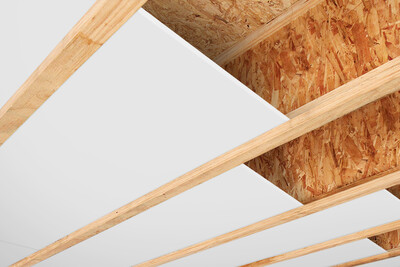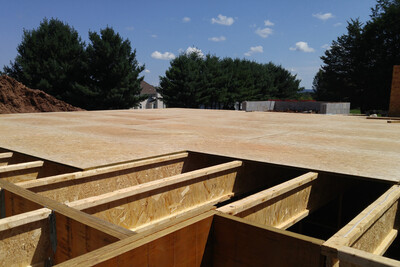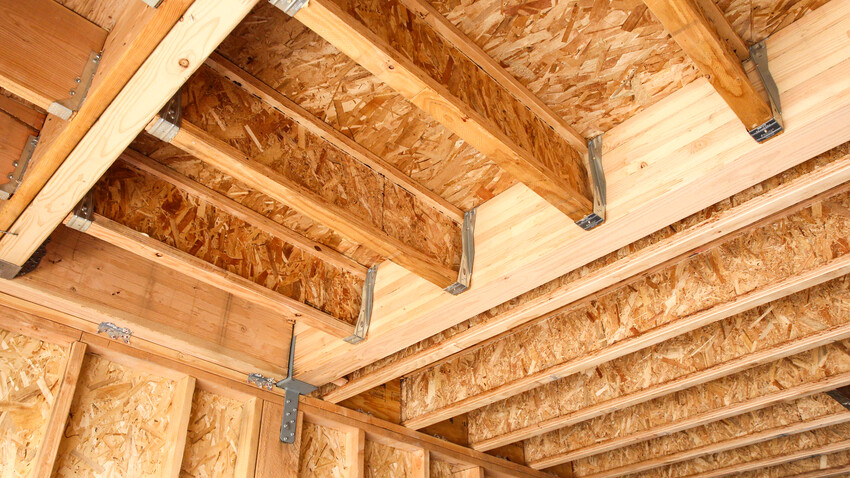
Connection Design Solutions for Wood-Frame Structures is a one-hour on-demand webinar presented by APA Engineered Wood Specialist Robert Kuserk, PE. Proper connection design and specification are critical to the structural performance and serviceability of any wood-frame structure. This course covers everything from common fastener types to code-compliant connection techniques.
What you’ll learn:
Common fastener types used in wood-frame construction and their associated design values
The orthotropic nature of wood and how it influences connection design
The differences between commodity and specialty connectors
How steel connectors are incorporated into wood-frame construction
Techniques for designing connections that are efficient, durable and code-compliant
What you’ll earn
A downloadable certificate of completion is available after completing a brief quiz
Participants who complete the quiz qualify for 1 AIA HSW/LU and 0.1 ICC CEU
CEUs and certificate(s) received upon course completion are transferrable and may be applied towards PDHs or other general CEUs/certifications, such as PE
Selected questions & answers from the webinar
Should a connector have expansion space, and if so, how much?
Generally, for glulam beams, the connector seat is 1/8” wider than the width of the beam to allow for beam growth. For structural composite lumber, hanger seats typically vary from 1/8” to 1/4” wider than the beam width.
What are the fastener requirements for borate-treated wood used for sill plates?
Wood products treated with borate are generally intended to be used in a dry-use <19% environment, so this in itself reduces the likelihood of fastener corrosion. Borate-treated lumber is compatible with the same fasteners used for untreated wood, carbon steel, galvanized steel, copper and silicon bronze.
Could driving screws cause floor sheathing to lift away from floor framing?
Choosing the proper screw is important. First, note that drywall screws should not be used in a structural connection. APA recommends selecting a wood screw with a size equal to or greater than the recommended nail with an unthreaded shank under the head of the screw. Additionally, there are many proprietary screws available intended specifically for this purpose. These fasteners should be installed in accordance with the manufacturer’s code reports and product literature.
Offered by APA — The Engineered Wood Association.