Engineered Wood Gets an Easy A
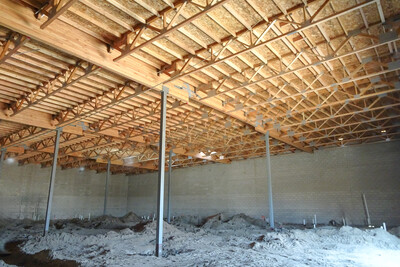
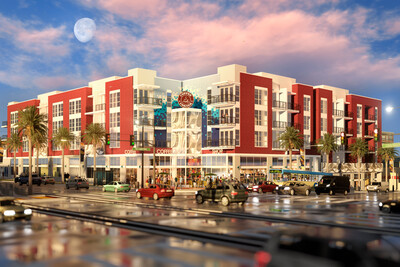
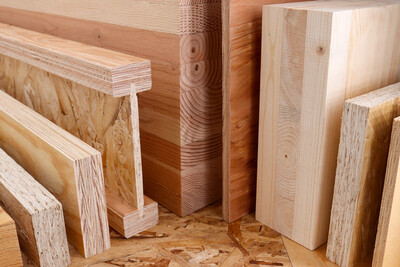
Two Washington school districts turned to engineered wood products to construct new facilities. The projects utilized a range of mass timber products, including cross-laminated timber (CLT), glulam, laminated veneer lumber (LVL), and laminated strand lumber (LSL), showcasing the versatility and performance of engineered wood in large-scale institutional construction.
This publication is designed for: architects, designers, builders
Engineered wood offered measurable advantages over traditional building materials across both projects. Unlike conventional lumber, these products arrive prefabricated to precise dimensions, reducing on-site waste, labor hours, and the potential for error. The material's consistency, structural integrity and ability to serve as both a structural and finish element also contributed to significant cost savings and construction efficiencies.
Beyond performance and cost, sustainability was a driving factor in the decision to build with wood. Engineered wood is a renewable resource that sequesters carbon throughout its lifecycle, and increased demand for wood products supports healthy, actively managed forests.
Published by APA — The Engineered Wood Association.