Condensation, Causes and Control
Technical Note
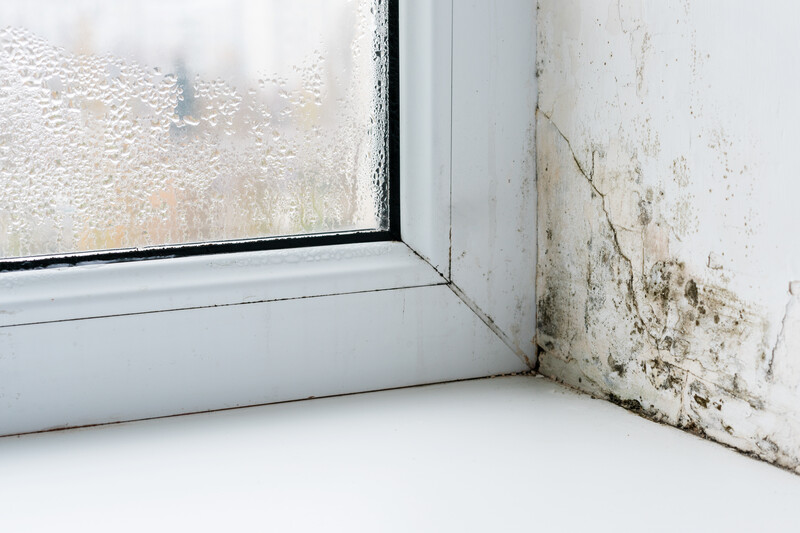
Condensation in buildings occurs when moist air contacts surfaces below the dew point temperature, leading to moisture accumulation that can cause serious damage including decay, mold growth, and structural deterioration. This publication provides comprehensive guidance on understanding, preventing, and controlling condensation in residential and light commercial construction.
This publication is designed for: architects, engineers, builders and designers
The publication covers practical prevention methods such as reducing indoor moisture sources, installing proper vapor retarders, ensuring adequate ventilation, and incorporating continuous air barriers. The publication includes specific code requirements from the International Residential Code (IRC) and International Building Code (IBC), with detailed tables for vapor retarder classifications and minimum ventilation requirements.
Key sections include:
Condensation explained – fundamental principles of moisture and temperature
Condensation control – practical strategies for different building areas
Vapor retarder requirements – classification system and climate zone specifications
Ventilation requirements – minimum standards for attics and crawl spaces
Ventilation checklist – inspection guidelines and calculation examples
Published by APA — The Engineered Wood Association.