Pallets


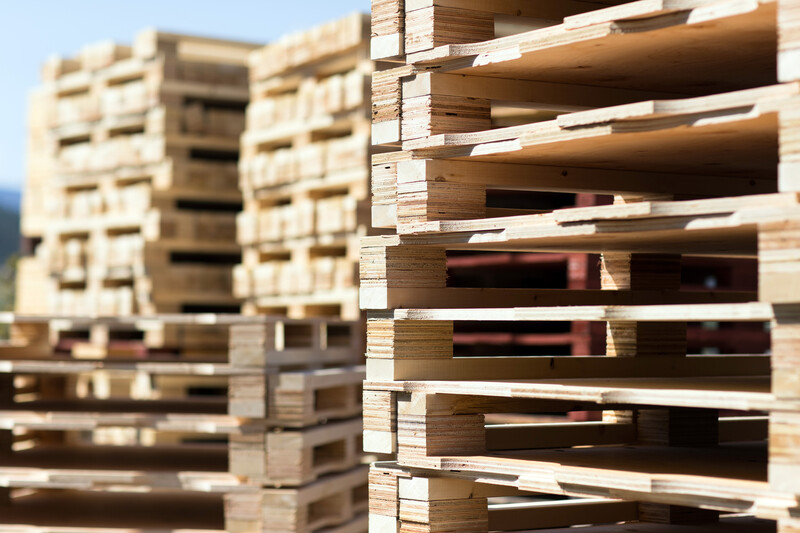
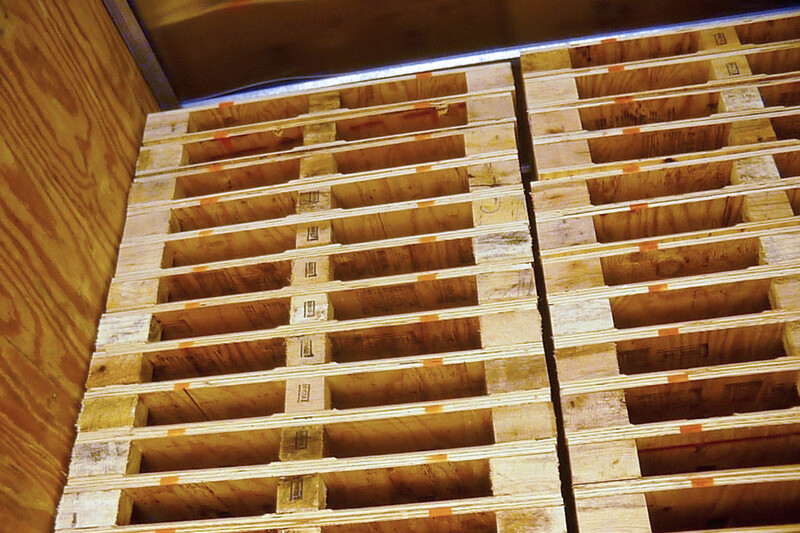
Engineered Wood Pallets: Durable, Lightweight and Cost-Effective

Engineered wood panels deliver strength, durability and reliability for high-performance pallets, including solid-deck pallets and captive pallets for automated systems. Designed to withstand heavy loads, repeated use and automated handling, these panels provide a cost‑effective alternative to solid lumber, steel or plastic pallets. Whether for standard load requirements or specialized industrial systems, wood structural panels help ensure strength, reliability and long service life.

Advantages of Engineered Wood for Pallets

Engineered wood pallets combine strength, durability, and adaptability to deliver superior performance over traditional lumber or plastic pallets. Designed for long-term use, they minimize costs, maximize productivity, and simplify international shipping compliance.

Engineered Wood Pallets are Export Ready

Engineered wood pallets are exempt from ISPM 15, meaning they do not require:

  • Debarking

  • Heat treatment

  • Fumigation with methyl bromide

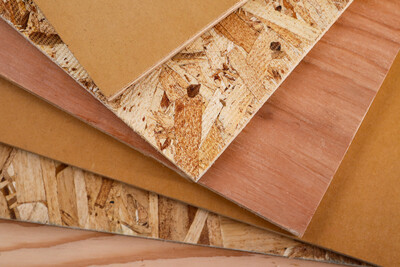
The manufacturing process for plywood and OSB pallets eliminates live organisms and minimizes moisture content, producing lightweight, economical shipping products.

Long Life, Reuse & Return on Investment

  • Constructed to last for seven years or more, delivering lower cost-per-use

  • Can be returned, reloaded and reused multiple times

  • Durable design reduces repair costs and protects products better than lumber or plastic

Environmentally Responsible

  • Engineered wood is reusable and conserves natural resources

  • Manufacturing produces less harmful emissions than alternatives

  • Long-life pallets reduce waste and maximize resource efficiency

Built for Durability and Long Service Life

Solid-deck engineered wood pallets are designed for years of trouble-free use, sustaining less damage and requiring fewer repairs than other pallet types — often lasting seven years or more in typical service.

Key advantages:

  • Longer lifecycle – reduces downtime and replacement needs

  • Lower cost-per-use – extended life and lower repair/disposal costs balance initial investment

  • Strong but relatively lightweight – capability to handle heavy loads without excessive weight

  • Good protection for products – a solid surface supports goods better than open-deck designs

  • Dimensionally stable – engineered wood resists shrink/warp, enhancing handling consistency

  • Compatible with automated systems – stable shape and reliable performance help reduce conveyor and system downtime

Tailor to Your Application

Solid-deck pallets can be tailored to the application. Configurations depend on entry type, deck style and handling requirements.

Popular solid-deck designs:

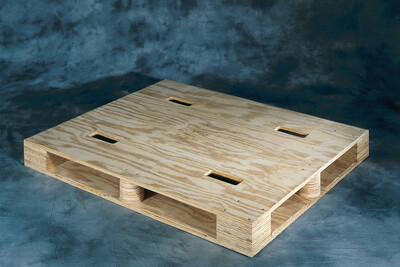
Plywood Block Pallet

  • Top and bottom plywood decks for high racking capability.

  • Impact-resistant engineered wood blocks reduce fork penetration damage.

  • Excellent choice for automated materials handling systems.

Plywood Stringer Pallet

  • Plywood top deck with lumber bottom deck; partial four-way entry.

  • Good product protection and shape retention for automation.

Plywood Block with Uni-Directional Plywood Bottom

  • Very lightweight and high-performance.

  • Uses no lumber – ideal for export shipping (exempt from ISPM-15 phytosanitary treatment).

OSB Pallet with Full Four-way Entry

  • Cost-effective one-way shipping option.

  • Solid deck offers superior product protection, even in rough handling.

How Engineered Wood Pallets Stack Up

Pallets made from engineered wood panels outperform many traditional alternatives in lifecycle performance and handling reliability.

Performance comparison highlights:

Advantages

Engineered Wood Pallets

Lumber Pallets

Plastic Pallets

Low initial cost 

X

X

Low life cycle cost 

X

Long life

X

Some

Flexible configuration

X

X

Able to consistently withstand damage

X

Easy to repair

X

X

Compatible with automated materials handling systems

X

X

Dimensionally stable to reduce automated system downtime 

X

X

Able to consistently protect product

X

X

Low disposal cost

X

X

Appropriate for closed loop/captive materials handling systems 

X

X

Made with dry, “engineered” wood that won’t shrink and weaken the pallet 

X

Overview

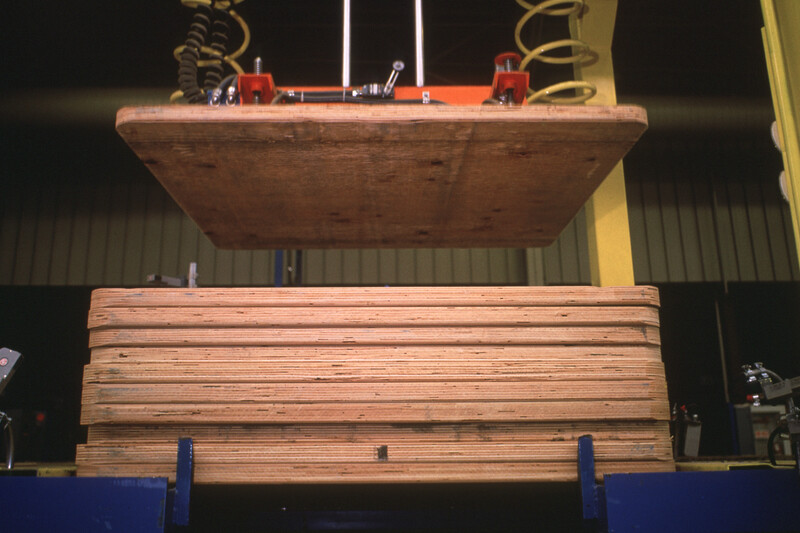
Captive pallets are solid, low-profile slabs of plywood built to specific dimensions for use in automated storage and retrieval systems (AS/RS) and other automated material handling systems.
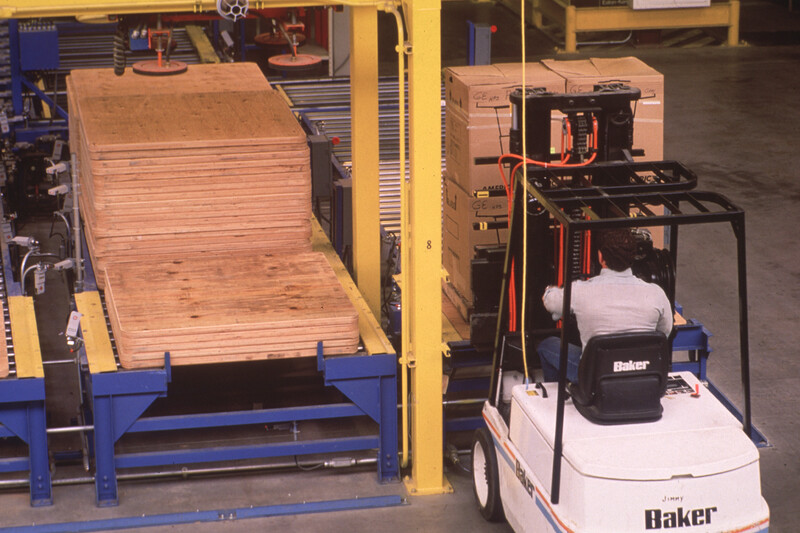
Unlike traditional pallets, they don’t leave the system and do not have recesses for forklift entry, since they’re suspended at the edges and remain within automated environments.

Typical Applications

  • Automated warehouses and distribution centers

  • Conveyor systems and high-density storage

  • Semi-automated and computer-controlled retrieval systems

Key Benefits

Captive pallets offer reliable performance and long service life in automated environments, helping systems run smoothly while maximizing efficiency and space utilization.

Strength & Performance

  • Superior stiffness and dimensional stability — maintains shape over time for reliable operation.

  • Durable and resistant to deflection and distortion under load.

  • Strong yet relatively lightweight — plywood balances performance and handling ease.

Operational Advantages

  • Economical, simple and built for long life — proven in automated environments.

  • Space-saving design is ideal for maximizing product storage while minimizing framework footprint.

  • Adaptable to system needs — can be tailored in size and strength to specific automated systems.

Design & Customization Options

Captive pallets can be engineered to match the exact size, strength and handling requirements of automated storage and retrieval systems.

Configuration Flexibility

  • Can be cut to size for exact system specifications

  • Available in various plywood grades and thicknesses for tailored strength and cost optimization

Custom Features

  • Modified edges or surface protections for severe uses

  • Optional fittings and overlays for special automated handling needs

  • Designed to match precise load, size, and durability requirements of modern automated systems


Pallet FAQs

Are engineered wood pallets a good environmental choice?

Yes. Long-life engineered wood pallets are constructed for years of dependable use, which means less waste of natural resources. Wood is a renewable, recyclable, biodegradable resource and the fabrication of engineered wood pallets requires far less energy than other raw materials, while generating less pollution.

How do engineered wood pallets compare to lumber or plastic pallets?

Engineered wood pallets outperform both lumber and plastic pallets across most key criteria, offering consistent weight and dimensions, a high load-to-pallet-weight ratio, low cost per trip and superior good protection. Unlike plastic pallets, they are customizable, lightweight to reduce workplace injuries and cost-effective for export without fumigation or heat-treating. They also hold an environmental benefit over plastic, as they are made from 100% renewable materials that are both biodegradable and low in pollution impact.

Have a Specific Question?

Ask the APA Help Desk