Texas Tornado Damage Assessment Report
Damage Assessment Report
When an EF4 tornado struck the Dallas suburbs of Garland and Rowlett in December 2015, it exposed critical vulnerabilities in modern residential construction. This comprehensive damage assessment reveals that most home failures resulted from preventable construction deficiencies rather than overwhelming wind forces—and that cost-effective improvements can dramatically enhance survival rates in future storms.
This publication is designed for: builders, architects, engineers, designers, building code officials
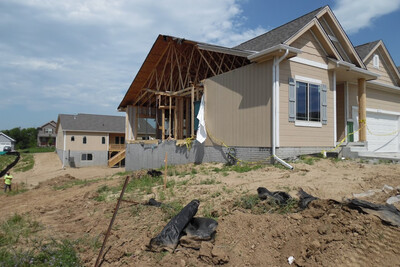
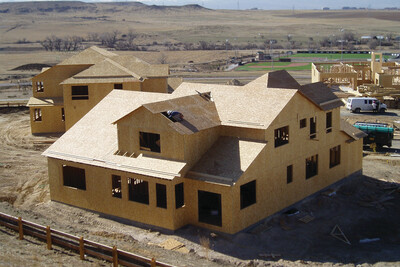
Through extensive field observations and forensic analysis, this report identifies the common weak links in residential construction and provides practical recommendations for building homes that can withstand the majority of tornadoes. The findings are supported by detailed photography, wind speed analysis, and comparison of homes with varying construction quality across different damage zones.
Key sections include:
Overview of the December 2015 tornado event and damage assessment methodology
Analysis of Enhanced Fujita Scale ratings and wind speed variations along the tornado path
High wind construction recommendations for roof systems, wall assemblies, and foundations
Detailed observations of common failure modes and their causes
Building for greater resiliency: implementing wind-resistant structural shells
Photographic documentation of damage patterns across different wind speed zones
Summary of cost-effective improvements that significantly enhance tornado and high wind resistance
Published by APA — The Engineered Wood Association.